
Bitten by a dog? California law is on your side.
In most cases, the owner is responsible even if the dog never bit anyone before. Ari Friedman knows the law and the medicine of bite injuries. Free, confidential consultation.
Call 323-596-1234Free case reviewA dog attack happens in seconds, but the injuries can last a lifetime: deep puncture wounds, torn skin, infections, nerve damage and permanent scars. Children are bitten more often than anyone, and often on the face. Many victims also live with fear and anxiety long after the wounds heal.
In California, the owner is responsible.
Even if the dog was always friendly. Even if it never bit anyone before. California’s dog bite law doesn’t give owners a “first bite free.”
Where dog bites happen
California dog bite law
Strict liability for bites
A dog owner is liable when their dog bites someone in a public place, or someone lawfully on private property, including the owner’s own property. It doesn’t matter whether the dog had ever bitten anyone or whether the owner knew it was dangerous.Knocked down or chased?
Many dog injuries aren’t bites: a person knocked to the ground, or hurt running from a dog. These claims usually depend on showing the owner was careless, such as breaking a leash law, or knew the dog was dangerous.Usually the owner’s insurance, not the owner
Dog bite claims are often paid by the owner’s homeowner’s or renter’s insurance. Many people hesitate to make a claim against a neighbor, friend or family member. In most cases, the money comes from their insurance company.What to do after a dog bite: advice from a paramedic
- Clean the wound and get medical care. Wash the bite with soap and water and see a doctor right away. Dog bites carry a high risk of infection, and puncture wounds can be deeper than they look. Your doctor will also consider tetanus and rabies.
- Identify the dog and the owner. Get the owner’s name, address and phone number, and ask for proof of the dog’s rabies vaccination.
- Report the bite. Report it to your local animal control agency. In Los Angeles County, bites must be reported, and the dog is usually placed under a quarantine to watch for rabies. The report also creates an official record.
- Photograph your injuries, and keep doing it. Take photos right away and as the wounds heal. They show swelling, stitches, infection and scarring over time.
- Find witnesses. Get names and phone numbers of anyone who saw the attack or knows about the dog’s past behavior.
- Be careful with the owner’s insurance company. You don’t have to give a recorded statement, and anything you say can be used to reduce your claim. Talk to a lawyer first.
It can feel like a lot to handle while you’re hurt.
When Ari represents you, he helps untangle all of it, from the animal control report to medical bills and calls from insurance adjusters, and he assists you throughout your claim.
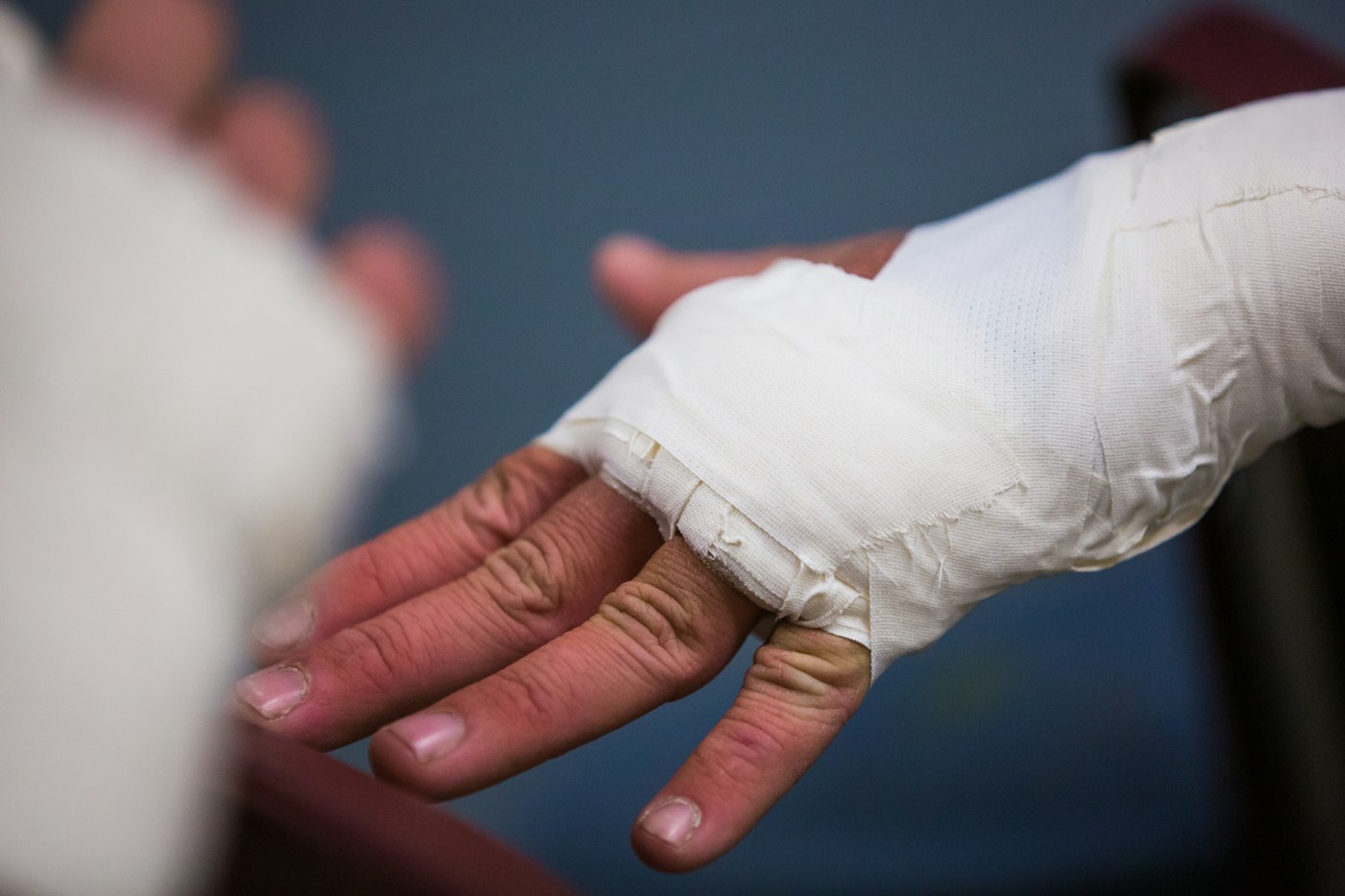
- Wound location and depth. Punctures, tearing and crush injuries.
- Infection. Antibiotics, follow-up visits and complications.
- Rabies and tetanus treatment. Shots and their side effects.
- Nerve and tendon damage. Especially in hands and arms.
- Scarring. And the need for future plastic surgery.
Why medical experience matters
Dog bite injuries are often worse than they first appear. A small puncture can hide crushed tissue, damaged tendons or a deep infection, and scars can change over months. The value of a bite claim depends on showing all of it.
Ari reads ER records and treatment notes the way the people who wrote them do. He knows what each entry means, what is missing, and how to show an insurer the full course of your injuries. His knowledge of emergency medicine is recognized beyond his own cases: Ari has been retained as an expert witness on EMS standards of care.
What compensation may be available
Depending on the facts, a dog bite victim in California may be able to recover:
- Medical bills, past and future
- Lost wages and lost earning capacity
- Pain, suffering and emotional distress
- Scarring, disfigurement and plastic surgery
California deadlines you should know
There are many deadlines that can affect an injury claim. A few common ones are listed below, but this list is not complete.
- Two years to file a lawsuit for personal injuries in most cases (Code of Civil Procedure § 335.1).
- Six months to file a written claim if a government agency is involved, such as a dog owned or handled by a city or county agency (Government Code § 911.2).
- Children may be different. When the person bitten is a minor, different deadline rules may apply. Don’t assume you have more time. Check with an attorney.
Which deadlines apply, and when they start, depends on the facts of your case. Some are much shorter than two years. Review the deadlines with an attorney early so the statute of limitations doesn’t run on your claim. Missing one can end your case.
Talk to Ari about your dog bite
Free and confidential consultation. Serving Los Angeles County and all of Southern California.
Call 323-596-1234Free case review formAttorney advertising. This page is general information, not legal advice. Prior results do not guarantee a similar outcome.