
Hit by a car on your bike? Get a lawyer who knows the law and the medicine.
Insurance companies are quick to blame cyclists. Ari Friedman has been pushing back on those arguments since 2009. Free, confidential consultation.
Call 323-596-1234Free case reviewIn California, a person riding a bicycle on the road has the same rights as the driver of a car (Vehicle Code § 21200). Too many drivers don’t act like it. And when a cyclist is hurt, the driver’s insurance company often goes looking for a reason to say the rider caused it: no light, wrong lane position, no helmet, riding on the sidewalk.
Insurers look for any reason to deny a bike claim.
A missing light, a lane position, a helmet. Ari knows the arguments, and how to answer them with the law and the medical evidence.
Common causes of bicycle accidents
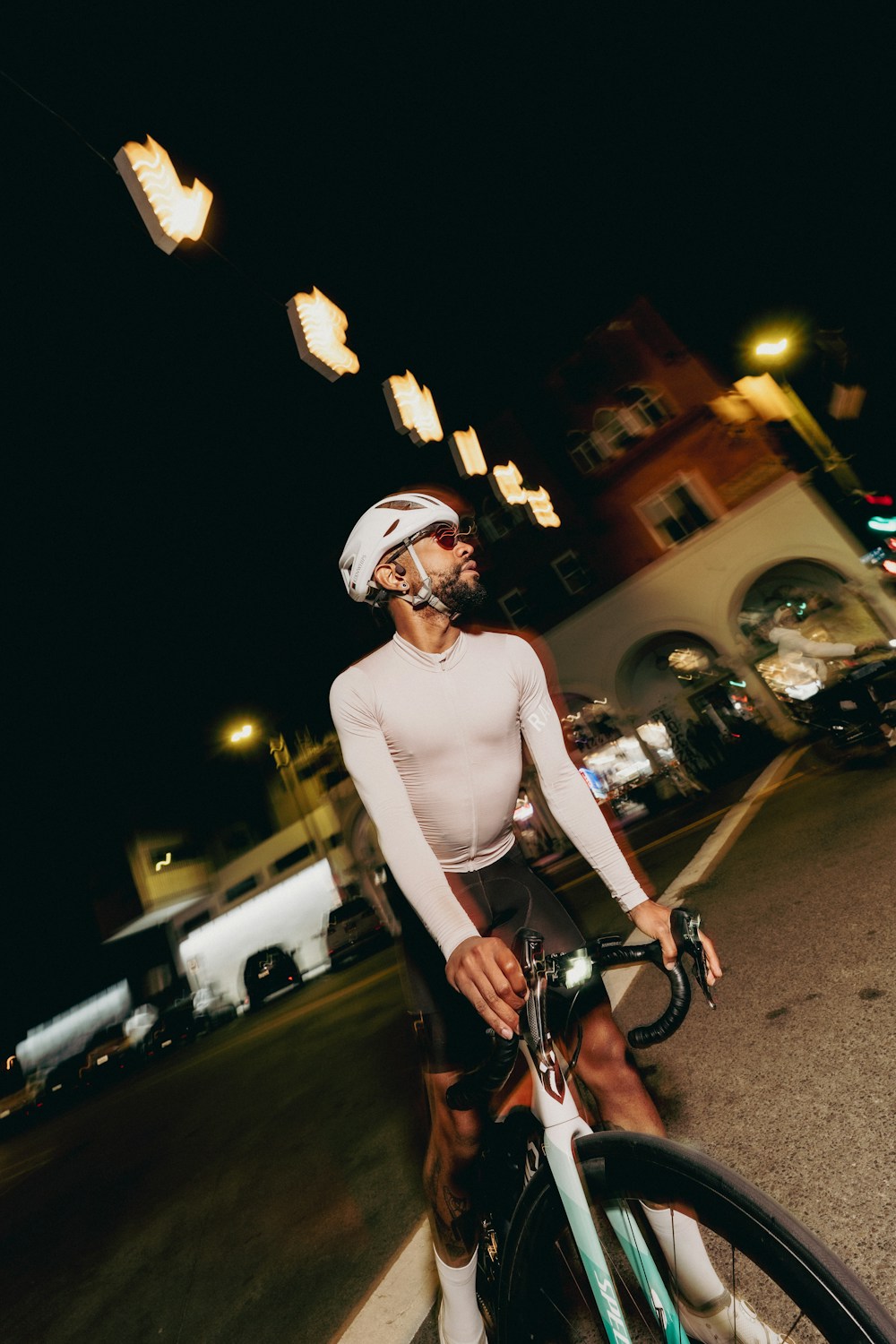
A real example: the left turn at midnight
- The facts
- A car heading westbound makes a left turn on a green light and strikes a cyclist riding eastbound. It’s about midnight. The bike has working front and rear reflectors, but no front light.
- The insurer’s argument
- California requires a bike ridden in darkness to have a white front light visible from 300 feet, and a red rear reflector or light visible from 500 feet (Vehicle Code § 21201(d)). No light, the insurer says, so no claim.
- The answer
- A driver turning left must yield to all oncoming traffic close enough to be a hazard, and that includes bicycles (Vehicle Code § 21801(a)). Bicycle reflectors are made specifically so cars can see riders at night.
What to do after a bicycle accident in California
- Get medical care right away. Adrenaline can hide serious injuries, including concussions and internal injuries. A delay in treatment is one of the first things insurers use to argue you weren’t really hurt.
- Call the police and get a report number. The report records the scene, the witnesses, and often the officer’s opinion of who caused the crash.
- Keep your bike and gear as they are. Don’t repair your bike or throw away your helmet. The damage can show how the crash happened and how hard you were hit.
- Save your ride data. GPS apps, bike computers and helmet or handlebar cameras can show your speed, your route and the moment of impact.
- Document everything. Take photos of your bike, the car, the road, your injuries, and the driver’s license and insurance card. Get witness names and phone numbers.
- Be careful with the driver’s insurance company. You don’t have to give a recorded statement, and anything you say can be used to reduce your claim. Talk to a lawyer first.
It can feel like a lot to handle while you’re hurt.
When Ari represents you, he helps untangle all of it, from the police report to medical bills, bike repairs and calls from insurance adjusters, and he assists you throughout your claim.
- Mechanism of injury. How you were hit, how fast, and where you landed.
- Level of consciousness. Early signs of a head injury.
- Your first complaints. What hurt at the scene, in your own words.
- Vital signs and treatment. What responders saw and did.
- What’s missing. Gaps an insurer will try to use against you.
Why medical experience matters
Cyclists often suffer fractures, shoulder and collarbone injuries, road rash and head injuries, even with a helmet. Most claims are won or lost on the medical evidence.
Ari reads ambulance reports, ER records and treatment notes the way the people who wrote them do. He knows what each entry means, what is missing, and how to show an insurer the full course of your injuries. His knowledge of emergency medicine is recognized beyond his own cases: Ari has been retained as an expert witness on EMS standards of care.
Passing a cyclist
Since 2023, drivers passing a bicycle in the same direction must change lanes when it’s possible to do so safely. When they can’t, they must give the rider at least three feet.Dooring
No one may open a car door into moving traffic unless it’s reasonably safe to do so, or leave it open longer than needed to get in or out.What if I wasn’t wearing a helmet?
California requires helmets for bicycle riders under 18. Adults aren’t required to wear one, and riding without one doesn’t mean you caused the crash. Don’t assume you don’t have a case.Were you on the sidewalk, or out in the lane?
Rules on sidewalk riding vary from city to city, and cyclists are allowed to leave the right edge of the road in many situations, such as passing, turning left or avoiding hazards. Neither one automatically makes a crash your fault. Read Ari’s analysis of a sidewalk riding case.What compensation may be available
Depending on the facts, an injured cyclist in California may be able to recover:
- Medical bills, past and future
- Lost wages and lost earning capacity
- Pain and suffering
- Repair or replacement of your bike, helmet and gear
California deadlines you should know
There are many deadlines that can affect an injury claim. A few common ones are listed below, but this list is not complete.
- Two years to file a lawsuit for personal injuries in most cases (Code of Civil Procedure § 335.1).
- Six months to file a written claim if a government vehicle or agency is involved, such as a city bus, or if a dangerous road or bike lane played a role (Government Code § 911.2).
- Possibly as short as 24 hours and 30 days in a hit-and-run. If you make an uninsured motorist claim under your own auto policy because the driver can’t be identified, there may be requirements to report the hit-and-run to the police within 24 hours and to notify your insurer within 30 days (see Insurance Code § 11580.2). Whether and how these apply depends on your policy and the facts, so check with an attorney right away.
Which deadlines apply, and when they start, depends on the facts of your case. Some are much shorter than two years. Review the deadlines with an attorney early so the statute of limitations doesn’t run on your claim. Missing one can end your case.
Uninsured and underinsured drivers
California’s required minimum coverage is $30,000 per person, $60,000 per accident and $15,000 for property damage. That rarely covers a serious bicycle injury. The uninsured/underinsured motorist (UM/UIM) coverage on your own auto policy may cover you even though you were on a bike, and Ari can review your policy.
Talk to Ari about your accident
Free and confidential consultation. Serving Los Angeles County and all of Southern California.
Call 323-596-1234Free case review formAttorney advertising. This page is general information, not legal advice. Prior results do not guarantee a similar outcome.