
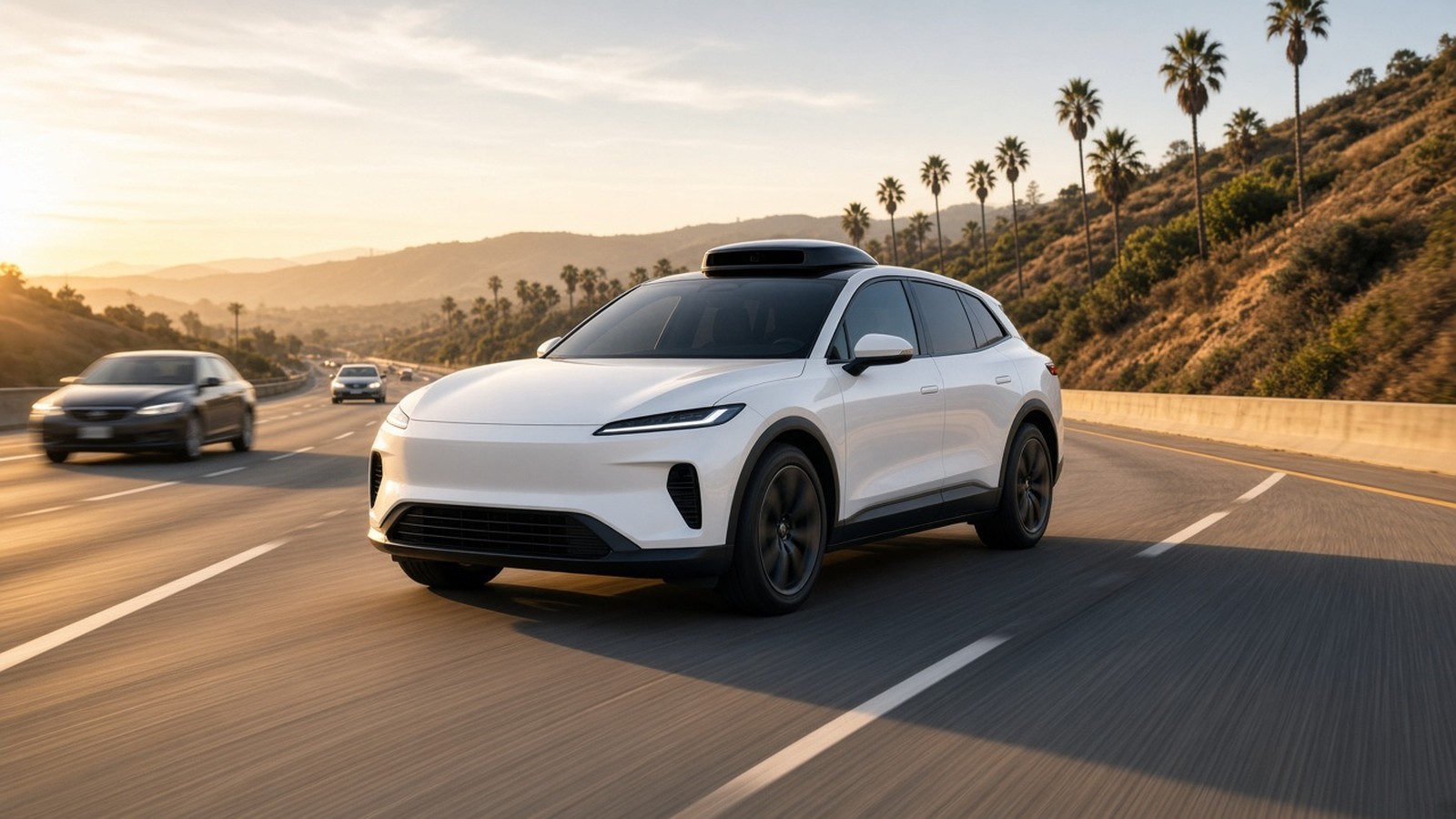
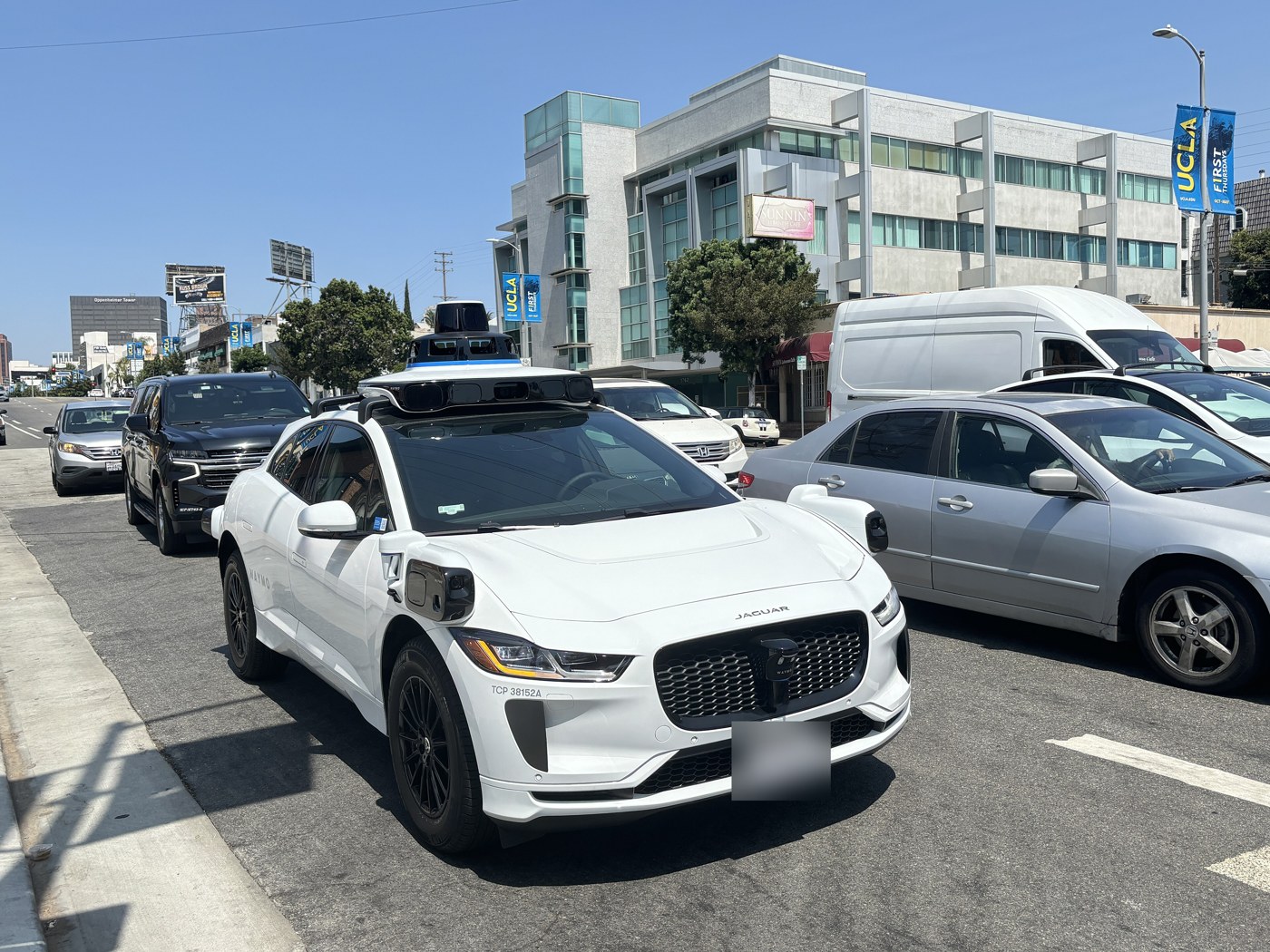
If you drive in California, you have probably shared the road with a driverless car. This week, state regulators put a hard stop on part of that experiment. The California Department of Motor Vehicles (DMV) has ordered Waymo to stop operating its driverless vehicles on state freeways, calling the company’s freeway operations an “imminent hazard to public safety.”
At Ari Friedman Law Offices, P.C., we help people hurt in car accidents across California. Here is what happened, what it means for drivers, and what to do if you are injured in a crash involving a driverless vehicle.
What Happened: The DMV Freeway Order
According to reporting by ABC7 San Francisco and TechCrunch, the DMV issued the restriction on November 11, 2026, and it became public on November 17. The DMV said the restriction stays in place until Waymo shows it has taken “effective corrective actions” to address the problems that led to the order.
The two incidents the DMV pointed to
- U.S. 101 near Burlingame: The DMV said three Waymo vehicles entered an active construction closure, putting workers, equipment and other vehicles at risk. The DMV said similar incursions have happened multiple times. Waymo has said that incident did not involve any injuries or collisions.
- Interstate 280 in San Francisco: Video showed a driverless Waymo attempting to get past California Highway Patrol cars that were conducting a traffic break.
This is not the first freeway pause this year. Waymo paused freeway service in May 2026 to improve how its vehicles handle construction zones, and the DMV said the problems continued “despite a prior restriction and corrective actions.”
Waymo’s response and what keeps running
Waymo said it is working with the DMV “diligently and responsibly” to resume freeway operations. Its ride-hailing service continues on surface streets, with more than half a million trips each week. Waymo has also temporarily restricted freeway operations in its other markets, TechCrunch reported.
Why This Matters for California Drivers
Waymo says the U.S. 101 encounters involved no injuries or collisions. Even so, the order is a reminder that driverless technology is still being refined in real traffic, on the same roads as you, your family and the crews who work beside the lanes.
For perspective, a University of San Francisco professor told ABC7 that data shows autonomous vehicles remain safer than human drivers overall, even though they can miss context a person would catch. When one is involved in a crash, you deserve an honest look at what happened.
California has also been adding oversight. Under AB 1777 and new DMV regulations, which took effect July 1, 2026, police can issue a “Notice of Autonomous Vehicle Noncompliance” to the manufacturer when a driverless car commits a traffic violation. Emergency officials can also order driverless vehicles out of an active emergency zone. The DMV has described that notice as a way to increase accountability, and it does not by itself mean a vehicle is unsafe or that anyone is legally at fault.
If You Are Hit by a Driverless Car: Practical Steps
After 25 years as a paramedic, Ari has seen people walk away from a crash feeling fine and end up in the ER hours later. These steps apply to any crash, but a driverless car adds a few twists.
1. Get medical care first
Call 911 if anyone may be hurt. Adrenaline hides pain, and concussions, neck and back injuries and internal bleeding do not always show up right away. Get checked out even if you feel okay. Medical records also document your injuries.
2. Call the police and get a report
Ask for a police or CHP report. There may be no driver to exchange information with, so write down the company name, any vehicle number or fleet markings, and the license plate. California requires driverless vehicles to be able to respond to first responders and to have a way to reach the company, so ask the officer to document that contact.
3. Document everything
- Take photos and video of all vehicles, the road, signs, lane closures and your injuries.
- Get names and phone numbers of witnesses.
- Write down what happened while it is fresh, and save any dashcam footage.
4. Preserve the vehicle’s data
Driverless cars carry cameras and sensors, and that information can be powerful evidence. California law requires autonomous vehicles to store sensor data for at least 30 seconds before a collision and to preserve it for three years (Vehicle Code section 38750). That data does not come to you automatically, though. An attorney can send a formal request to preserve it and can pursue it through the legal process if needed.
5. Be careful with the company’s insurer
Do not give a recorded statement or sign anything before you understand your rights. Manufacturers must show $5 million in insurance, a bond or self-insurance, but that is not a cap on your claim or a promise of payment.
Who May Be Liable in a Driverless Car Crash?
This is a general overview, and every case depends on its facts. With a human driver, the question is usually whether that person was negligent. With a driverless car, there may be more than one responsible party:
- The operator or company running the vehicle, which may be responsible for how the vehicles are deployed, monitored, maintained and supported.
- The manufacturer or technology developer, which may face a product liability claim if a defect in the design, manufacturing or software, or a failure to warn, contributed to the crash.
- Other drivers or parties, such as another motorist, a road contractor or a government entity, depending on what happened. Claims against public entities often have much shorter deadlines.
Negligence and product liability are different legal theories, and a case can involve both. California also assigns fault by percentage, and strict time limits apply to injury claims, so do not wait to get advice.
Talk to a California Injury Attorney
Ari Friedman has been a California personal injury attorney since 2009, serving clients statewide, and is a former Los Angeles Superior Court judge pro tem. With a 25-year paramedic career in EMS, he understands both the medicine and the law behind your injuries. Se habla español.
If you or someone you love was hurt in a crash involving a driverless vehicle, or any vehicle, call Ari Friedman Law Offices, P.C. (DBA Friedman Law Offices) at 323-596-1234 to talk through your options.
Disclaimer: This article is general information about California law and recent news, not legal advice, and it does not create an attorney-client relationship. News details are based on public reports as of November 17, 2026, and may change. Every case is different, so please speak with a qualified attorney about your situation.